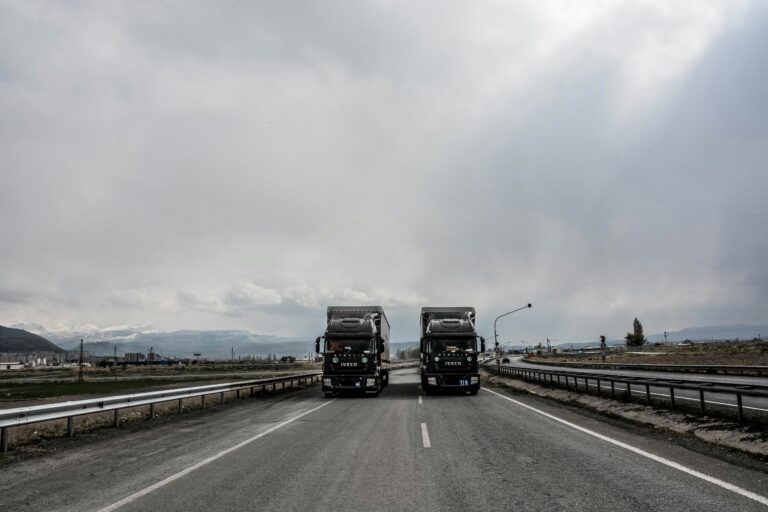
In regional dry van trucking when the competition is so stiff, the only difference that makes an operator successful and not is the mastery of load management optimization. We, at HMDTrucking, fully realize that your bottom line is affected by every mile, every pallet, and every minute spent on the road. Whether you are managing a small fleet of 28-foot pup trailers or you have a convoy of 53-foot mega monsters under your command, the manner in which you optimize the loading and share the cargo will help you reach efficiency and profitability beyond the limits. The guide will provide you with practical load management optimization for regional dry van trucking operations tools including and offering strategies for planning, capacity balancing, and continuous improvement.
What Is Load Management Optimization?
load management optimization is a methodical way of arranging, securing, and dispatching cargo that very well may increase trailer capacity, stabilize vehicle operation, and minimize wasted space or time. It is in its essence:
- Cargo positioning with regard to weight distribution
- The smart application of dunnage, straps, and tie-downs
- Loading route-aware that considers pickup/drop-off sequence
- Adjustments in real-time due to delays or unexpected changes
Focusing on these aspects helps carriers cut fuel consumption, maintain cargo condition, and reduce dwell time at terminals. As regional hauling requires short deadlines and fast execution, it certainly is the case that the knowledge of the load management optimization is indeed the best means of competing and gains from every lane and load.
The Importance of Load Management in Regional Dry Van Trucking
In regional dry van operations, drivers cover shorter distances but face more frequent stops, tighter windows, and a wider variety of cargo types. This environment amplifies the impact of poor load planning:
- Turnaround Time: Every extra minute spent rearranging or securing a shifting pallet at a customer’s dock eats into your profit.
- Fuel Efficiency: An unbalanced or underfilled trailer requires more power to accelerate and brake, boosting fuel costs per mile.
- Equipment Wear: Uneven weight distribution accelerates tire wear and stresses suspension, leading to more downtime.
You can handle these problems with load management optimization. HMDTrucking has experienced a 12% improvement in overall fleet efficiency through a simple step: standardizing load templates for common freight types, from energy drinks to boxed electronics. Furthermore, investing in logistics technology that allows weight visualization at the dock provides newfound capabilities for dispatchers and drivers, who together reduce guesswork and last-minute adjustments.

Key Strategies for Effective Load Planning and Capacity Balance
Getting to the top of load management optimization is all about controlled strategies and operation routines:
1. Pre-Load Analysis
Before any truck hits the yard, use historical data to foresee typical cargo sizes and weights for each lane. Create reusable “load plans” in your TMS (Transportation Management System) that specify:
- Weight per skid
- Optimal stacking height
- Dunnage and securing gear required
Once you set up these templates, your team can copy successes and proceed with tweaking projections. The upfront planning is a double win because it helps to reduce errors and speeds up loading.
2. Dynamic Capacity Allocation
Haven’t seen every trailer in the company become a closed case? Vision each of them as dynamic resources. Make live-load boards available that will cover:
- Current trailer fill percentage
- Remaining available cubic feet
- Upcoming pickups with size/weight specs
This method for capacity management makes it possible for dispatchers to promptly reassign backhauls or partial loads without actual scheduling, thus squeezing out every additional cubic foot.
3. Weight Distribution and Balance
One of the most essential issues in load configuration is safety and balancing the center of gravity. These best techniques should be followed:
- Position heavy objects on the floor and close to the tractor
- Balance weight evenly between left and right sides
- Leave a small buffer for empty space (5–10%) at the back for shifting
Getting proper balance is not only about safety but also about increasing fuel efficiency by facilitating better handling.
4. Sequenced Loading for Route Efficiency
If you plan out stops on a regional run, then reverse load: last drop goes in, first load. This upfront unload strategy reduces the sorting time spent at each dock. Also, with the integration of real-time GPS, drivers can change the load order if schedules change during the trip.
5. Standardized Securing Techniques
The task of securing shipments needs to be standard all over the company:
- Use calibrated tensioners on all straps
- Employ corner protectors on delicate cargo
- Integrate sensor-enabled load bars that alert if pressure drops
Following the same securement practices will help prevent damage, claims, and re-loads, all of which eat into profit margins.
Leveraging Technology for Smarter Logistics
Technology is the backbone of modern load management optimization. Here’s how digital tools can elevate your regional dry van operation:
- Telematics & IoT Sensors: Track weight shifts, temperature changes, and door openings in real time to catch risks before they become problems.
- 3D Load Simulation Software: Visualize the trailer’s interior in 3D, allowing planners to tweak placements for maximum balance and cube utilization.
- AI-Driven Route Planning: Integrate load profiles with traffic, weather, and road-restriction data so your trucks follow the most time- and cost-effective paths.
At HMDTrucking regional driving jobs we recently piloted an AI module that aided converting load adjustments based on the forecasted weather events. This was achieved by proactively shifting heavy items forward before the storm came, so we have avoided weight-shift damage and improved our rates of on-time delivery by 8%.

Best Practices for Continuous Improvement
In the neck-and-neck regional dry van trucking race, the driver that sets his shop as a place of feedback and refinement will thrive. In this light, the following tips can help you:
- Post-Trip Reviews: Make it a point that after every run, drivers and planners debrief on what worked and what didn’t. Also capture lessons in a shared knowledge base.
- KPI Tracking: Track operations metrics such as average load time, cubic utilization percentage, damage incidents per mile. Then set quarterly improvement targets.
- Training Programs: Provide hands-on training in workshops where the drivers will be exposed to advanced securement, weight placement, and use of digital planning tools.
Having a culture of continuous learning, your team will become adaptable to changes in freight types, seasonal fluctuations, and variations in customer needs.
Measuring Success: KPIs That Matter
To assess the benefits of load management optimization, pay attention to some critical metrics:
- Trailer Utilization Rate: The percentage of available space filled per trip.
- Fuel Consumption per Ton-Mile: Tracks the efficiency of moving weight over distance.
- On-Time Delivery Rate: It is closely linked to customer satisfaction and перспектива.
- Damage and Claim Frequency: A lower number means more securement quality and load balance.
Using these KPIs before and after strategies implementation can give you a clear ROI vision on your optimization efforts.
Future Trends in Load Management
Along with trucking’s evolution, load management optimization will develop alongside other game-changing trends:
- Electric Drayage Fleets: The electric truck era is upon us and this not only powers the vehicle but also the battery keeps managing the impact from the load precisely with a well-planned strategy.
- Autonomous Loading Systems: Robotics and automated cranes will soon handle the heavy lifting, guided by digital load manifests that maximize cube in seconds.
- Blockchain-Enabled Cargo Tracking: Immutable records of load details and handling conditions will streamline claims processing and build customer trust.
Keeping pace with these progressions will ensure your regional dry van operations to run on the green, lean, and the mean way.
Conclusion
The load management optimizing is not just a successful project, but rather it is a pathway that entails all aspects of your regional dry van trucking operations. In the first line, “planning” and capacity balancing goes, together with, advanced logistics technology and conscious KPI monitoring, a jigsaw you put together, being ever closer to peak efficiency and profitability. HMDTrucking sees the application of smart load management optimization as the roots of success in the modern freight business. Therefore, we encourage you to have a fresh look at your processes, empower your team with the best tools possible, and see how your operations can turn from good to exceptional.